
Regulation-aware engineering
For wastewater projects within scope, engineering documentation is developed with the applicable Turkish Ministry Circular No. 2025/5 and current technical criteria in view.
Wastewater treatment
A reliable wastewater treatment system begins with the actual flow pattern, pollutant profile, discharge target and operating conditions of the facility. WaterMill turns these inputs into a practical engineering scope for domestic and industrial wastewater, using packaged treatment, SBR, MBR, chemical and biological processes where they are technically justified.
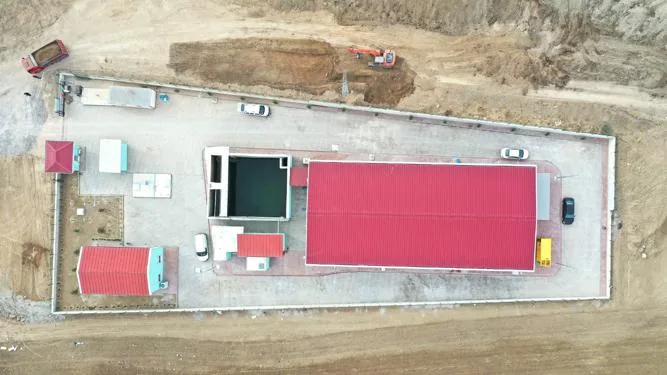
Engineering and life cycle
Equipment and materials are selected for project conditions from internationally established manufacturers and verifiable technical standards; manufacturing and factory acceptance checks are documented.
For wastewater projects within scope, engineering documentation is developed with the applicable Turkish Ministry Circular No. 2025/5 and current technical criteria in view.
Capacity is engineered around analysis, flow, load and site conditions, from small facilities to municipal, industrial-zone and large industrial plants.
Process design, equipment selection, manufacturing, automation, installation, commissioning and operator guidance can be delivered under one project scope.
Warranty, preventive maintenance, repair, spare parts, consumables planning and process-performance support are addressed throughout the system life cycle.
Field and installation visuals
The images are selected to better reflect the field application, equipment layout and project scale of the related system.
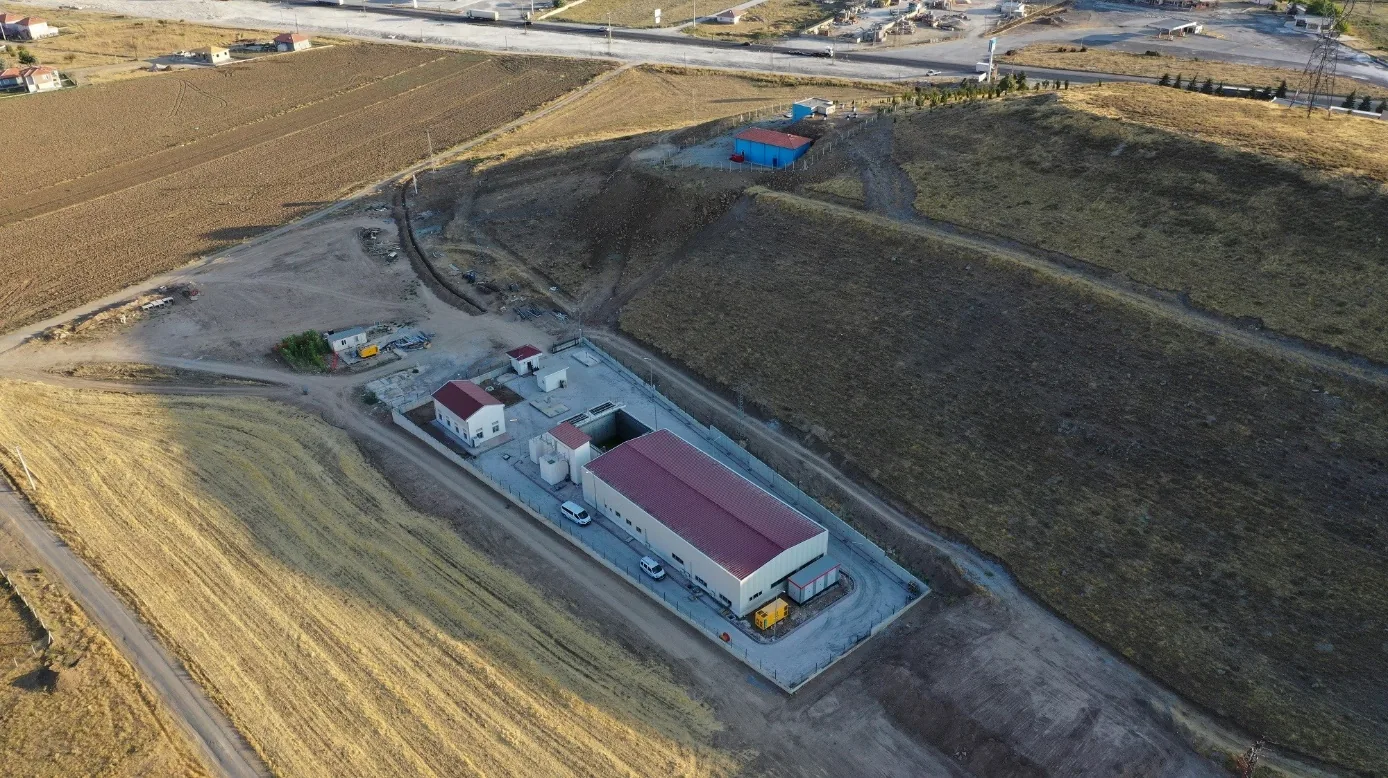
Aerial view showing the treatment facility and its surrounding site layout.
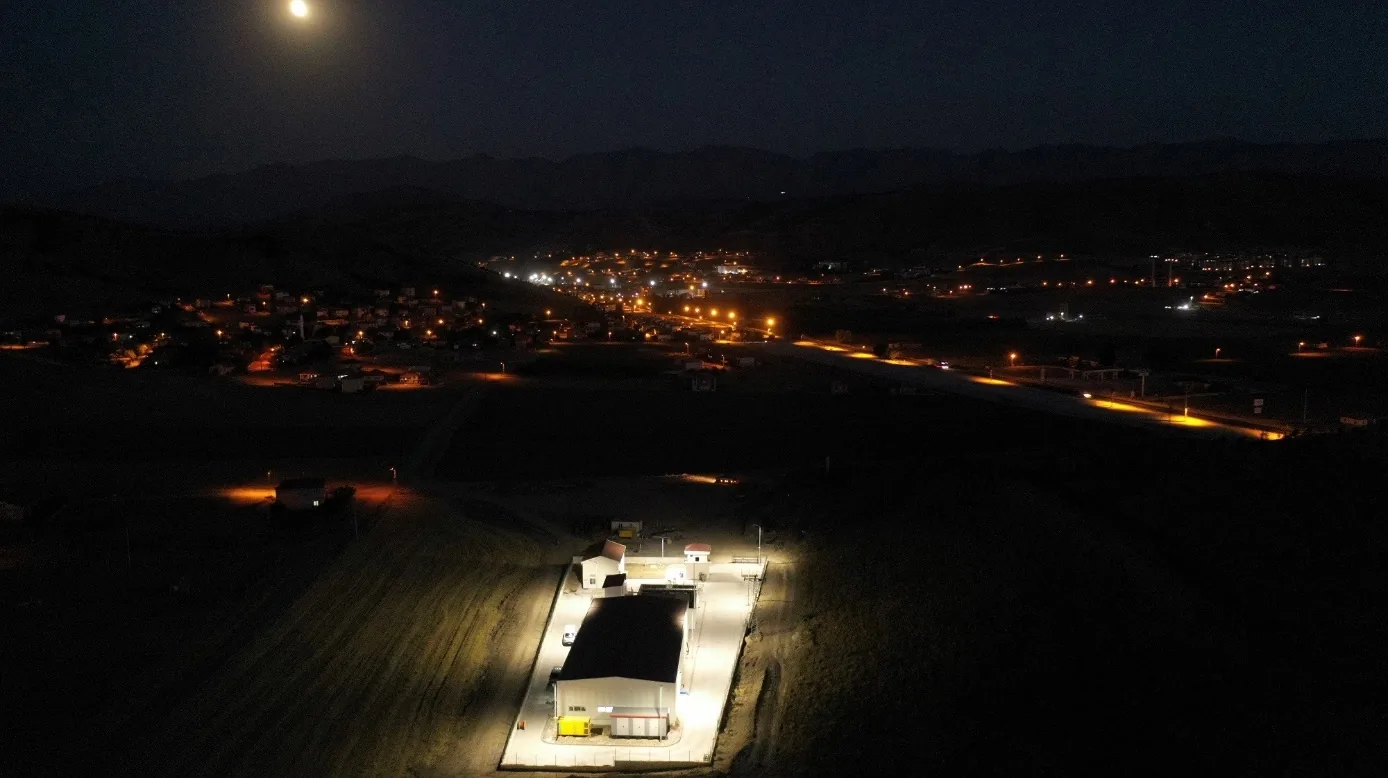
Night aerial view of the wastewater treatment facility under operational lighting.
Daily flow alone is not enough to select a treatment process. COD, BOD, suspended solids, pH, oil and grease, nitrogen, phosphorus, temperature, production cycles and peak loads must be assessed together. The sampling method also matters. A sample that does not represent the working day can lead to a system that appears correctly sized but struggles under real operating conditions.
During the initial assessment, WaterMill reviews the wastewater source, operating schedule, existing tanks and utilities, discharge route and applicable quality target. Equalization, physical pretreatment, chemical treatment, biological oxidation, sludge management, disinfection and advanced polishing are then combined without adding unnecessary equipment or operational complexity.
Residential developments, hotels, camps and social facilities generally produce domestic wastewater, while factories and industrial zones may discharge variable process loads. Packaged wastewater systems provide a compact footprint and controlled installation, but the process still has to reflect the wastewater characteristics and the people who will operate it.
SBR systems can manage changing loads through controlled treatment cycles. MBR systems are considered where space is limited or a consistently high effluent quality is required. For industrial streams, chemical pretreatment, pH adjustment, coagulation, flotation or clarification may be required before biological treatment.
The project scope covers site layout, hydraulic elevations, electrical and mechanical connections, maintenance access, automation requirements and operator responsibilities. Pumps, blowers, diffusers, membranes, instruments and panels must remain accessible after installation. A treatment plant is not only an equipment list; it is an operating system that must remain serviceable throughout its life.
Commissioning includes process settings, aeration balance, sludge development, chemical dosing, measurement points and operator guidance. Performance is checked against design assumptions, and the maintenance plan is aligned with the actual installed equipment. This reduces avoidable downtime and creates a clearer basis for long-term operating cost.
Average capacity must be considered together with peak flows, shutdown periods, future expansion and possible changes in production. The required process also changes depending on whether the treated water will be discharged, sent to a sewer connection or prepared for a suitable reuse application.
Energy demand, chemical consumption, sludge removal frequency, spare-part availability and operator workload are part of the technical comparison. WaterMill evaluates alternatives by both investment cost and the operating burden they will create over the life of the plant.
Frequently asked questions
Flow, peak load, wastewater characterization, effluent target and the operating scenario are evaluated together.
A shared system may be possible, but process contaminants can require segregation, pretreatment or dedicated stages.
Analysis results, daily and peak flow, facility use, site information, discharge target and existing infrastructure accelerate the assessment.
WaterMill · Türkiye and international
We develop treatment solutions for Türkiye and international projects, covering analysis, engineering, manufacturing, installation and commissioning needs.
We use optional analytics cookies to improve site performance. You can clear your choice at any time from your browser settings.